

Villa Rica, Cauca

The Power We Already Have
Créditos de la fotografía: Camilo Castillo
The Power We Already Have
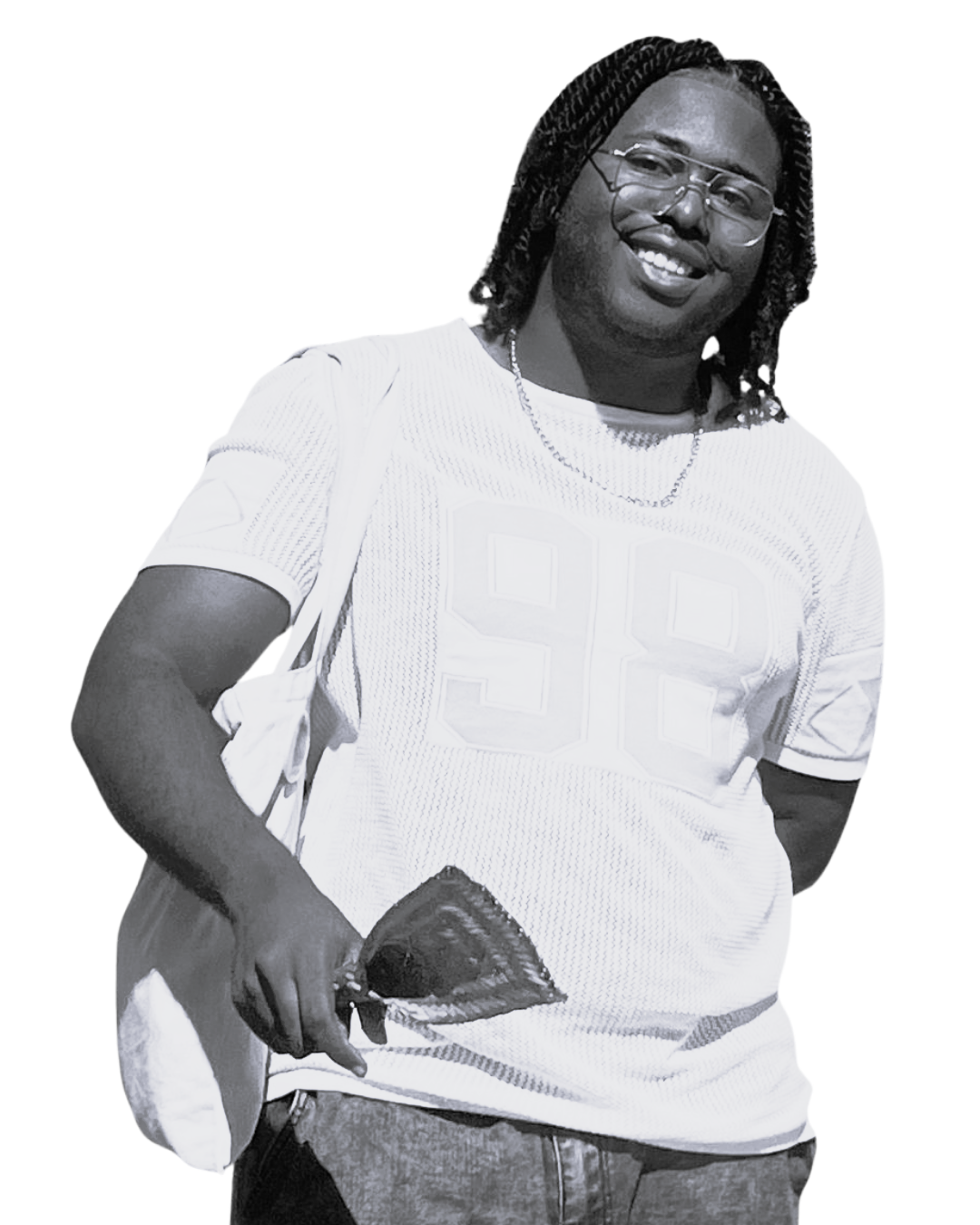
Camilo Castillo
Youth Leader
/ @zoycastilloo
My name is Camilo Castillo. I’m 21 years old and a young person of African descent from northern Cauca.
For a long time, I believed that leadership came when someone recognized you—when an institution gave you a position, a certification, or a project. As if, before that, there was only potential.
But growing up in Padilla, Villa Rica, and Santander de Quilichao, I came to understand something else. I saw women leading community initiatives without receiving recognition. I saw young people organizing activities for their neighborhoods without a budget. I saw people sustaining community life without appearing in any statistics.
That’s where I learned that leadership doesn’t begin when someone gives you permission.
Today, I lead the Aquí Somos Vocesssss Corporation and coordinate Nisikilize, a network of young Afro-descendant communicators. Through these spaces, we discuss identity, Afro-conscious masculinities, social justice, peace, and caring for nature. But beyond producing content or developing projects, we strive for something simpler and more profound: to demonstrate that our voices have value even when no one is listening.
That’s where I learned that leadership doesn’t begin when someone gives you permission.
I’ve seen young people who were ignored by the system find a place here to speak from who they are. I’ve seen conversations transform relationships, challenge violence, and open up possibilities that seemed impossible.
That’s why it worries me when we believe that our worth depends solely on institutional validation—as if we only exist when we obtain a position, a scholarship, or funding.
The leadership I know was born long before any of that.
It was born on the ground. In the community. In the everyday decision to care for others, organize, resist, and build.
The power of young people of African descent is not a future project. It is not a promise.
It is something that already exists.
The challenge is not to create it. It is to learn to see it.