
Manizales, Caldas

The Laboratory: Constructing Space Through Dialogue
Photo credit: #NextGenC
The Laboratory: Constructing Space Through Dialogue
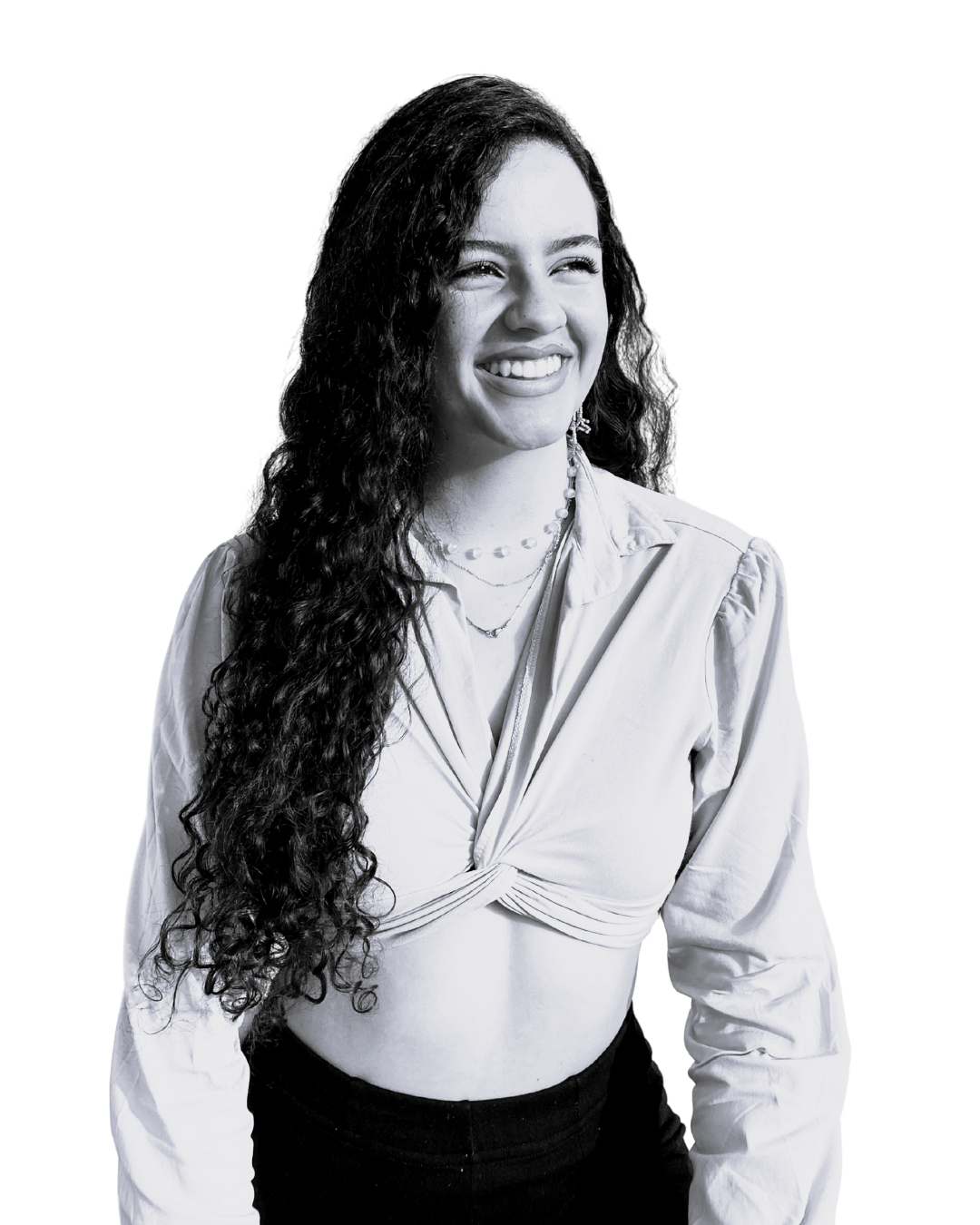
Sofía Jaramillo
Youth Leader
/ @sofia_jaramilloospina
On April 29, May 8, and May 9, 30 young, vibrant, thoughtful individuals—strangers to one another—gathered in a laboratory. The purpose was to launch an exercise in civic transformation. The means were interwoven ideas, thoughts constructed as a community, and words spoken through reflection.
In the #NextGenCLAB lab, the days unfolded through reflective thought, diversity, and creation. The immersion in the city took place from the youthful perspectives of those who walk its streets day in and day out, which gave the space an innovative and very real character: a place where this experiment was cooked up and served.
The first day was a reflective immersion into the thematic pillars of this lab: mental health and public space in Manizales. That initial moment helped us understand that the intention of this deliberative experience was to create a practically applicable outcome as a direct result of the conversations sparked, explored, and critically and carefully reviewed during the three days of preparation.
The second day was dedicated to exploration. We toured a “museum of inspirations,” which showcased social experiences and collective efforts to transform public spaces from around the world, as well as the outcomes and changes these projects generated among the communities they impacted.
(...) each of us young people who took part in the experience was moved by the city, by the experiences of others, and by a shared awareness of mental health that grew day by day.
These two days of experience served as inspiration and building blocks for our proposal to transform the city. It incorporates our vision of the city, whose flavors and textures were shaped by our feelings, our life experiences, and also our local and global academic learning, our similar and different life paths, and, overall, the diversity of youth put down on paper.
Indeed, at the end of the day on May 9, we presented to a panel of experts the final result of a project proposal that aims to make mental health a part of everyday life through the transformation of public spaces in Manizales. In the main presentation, we explained why discussing emotional well-being and public space is a priority for the city’s public agenda, and how this issue cuts across not only young people but also all the different ways of life found in the city.
Without a doubt, the most important element of our proposal—and the one that gave meaning to this workshop—was that each of us young people who participated in the experience was moved by the city, by the experiences of others, and by a shared awareness of mental health that grew day by day. After all, to create a proposal with collective impact, we must be moved from within.
The workshop was a success because it involved us seeing ourselves as a whole, placing emotions at the center of the conversation—without letting that undermine our collaborative work or devalue the creation of knowledge.
These 30 young, vibrant, and thoughtful minds are no longer strangers: they are fellow citizens united by a sense of profound change—and that, in itself, has already begun to transform the city.