NextGenC took part in the World Urban Forum, offering a perspective on young people and the transformation of cities
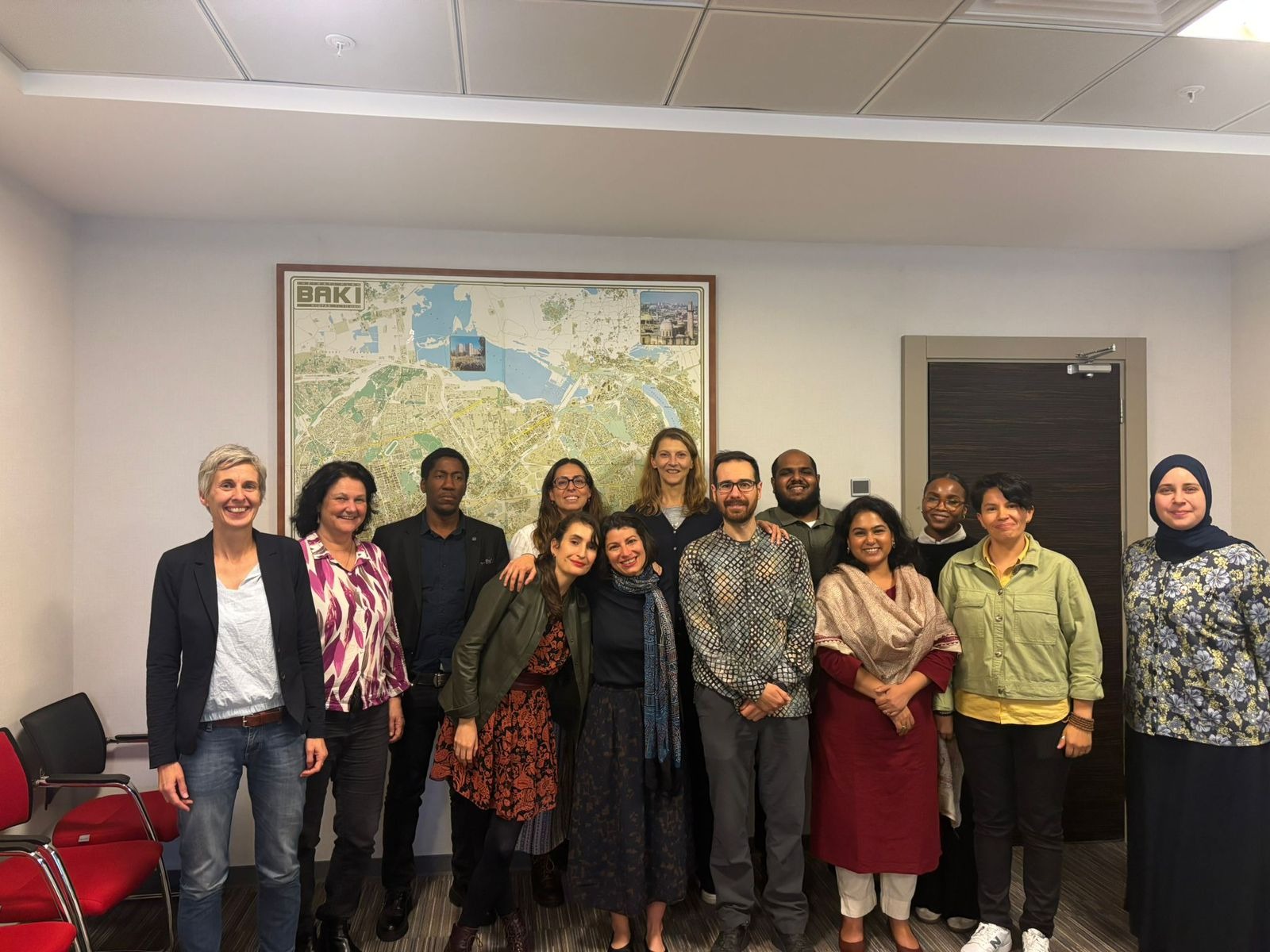
Photography: Catalina Duarte / NextGenC
Cities are constantly changing through the decisions, experiences and forms of participation of those who live in them. Amid these urban transformations, young people have begun to play an increasingly significant role in discussions on how to build more inclusive, sustainable and connected communities that reflect the realities of their local areas.
This was one of the key themes underpinning NextGenC’s participation in the World Urban Forum (WUF), the leading international gathering on sustainable urbanisation organised by UN-Habitat. The 13th edition of the event, held in Baku, Azerbaijan, brought together representatives from governments, international organisations, academia, the private sector and civil society to discuss the current challenges facing cities.
Under the theme “Housing the world: Safe and resilient cities and communities”, WUF13 centred on housing and its role in building safer, more resilient communities. However, the discussions also provided opportunities to explore other urban challenges, such as citizen participation, inclusion and the role of younger generations in shaping the future of cities.
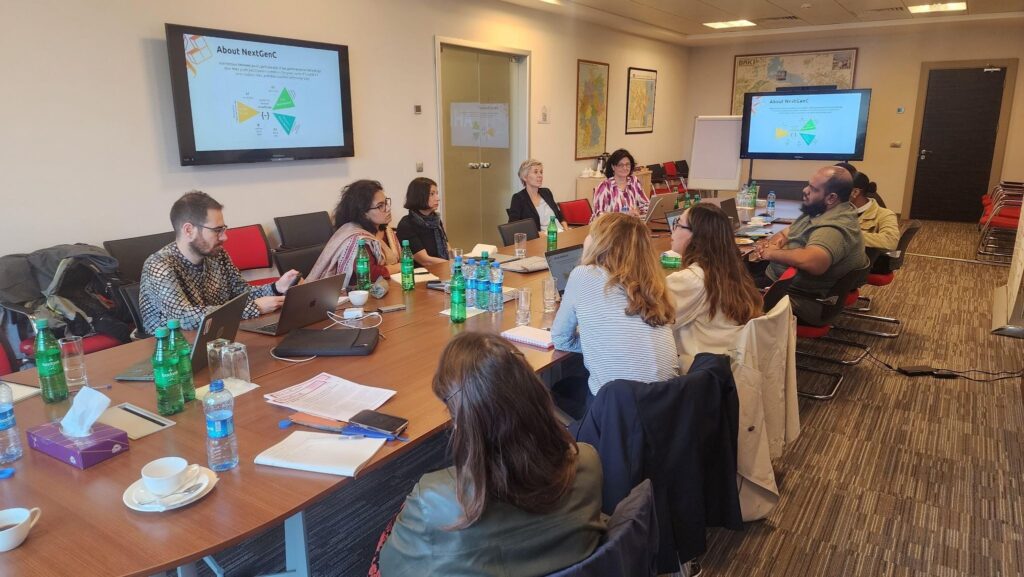
Photography: Catalina Duarte / NextGenC
Two of NextGenC’s lead researchers, Friederike Fleischer and Catalina Duarte, took part in these discussions, sharing insights from the project and participating in talks on youth participation, urban development and how young people are taking action in their local areas.
For Fleischer, the WUF provided an opportunity to recognise the scale of urban discussions taking place around the world, involving a wide range of stakeholders and perspectives. At the same time, she noted that challenges remain in ensuring more active youth participation in planning and decision-making processes.
In her view, although young people were present in some discussions, there is still a need to strengthen the spaces where they can participate directly in decisions about their cities.
“Young people are very important, and there is still a great deal of work to be done to ensure they are included in urban planning and policy-making processes.”
For his part, Duarte highlighted that one of the most interesting discussions centred on understanding youth participation as an ongoing process rather than merely a one-off consultation. During the event, he encountered examples where young people were recognised as stakeholders capable of contributing knowledge drawn from their own life journeys and experiences.
“Young people are keen to get involved; urban issues matter to them, but there remains a gap between that interest and the real opportunities to make a difference.”
Among the examples that caught the researchers’ attention were initiatives focused on creating safer and more inclusive cities for girls and young women in India, as well as projects that have sought to strengthen public spaces and care infrastructure in different cities around the world.
These insights tie in with the work developed by NextGenC, a research project that seeks to understand how young people participate in medium-sized cities, what tools they use to organise themselves, and what barriers they face in making their voices heard.
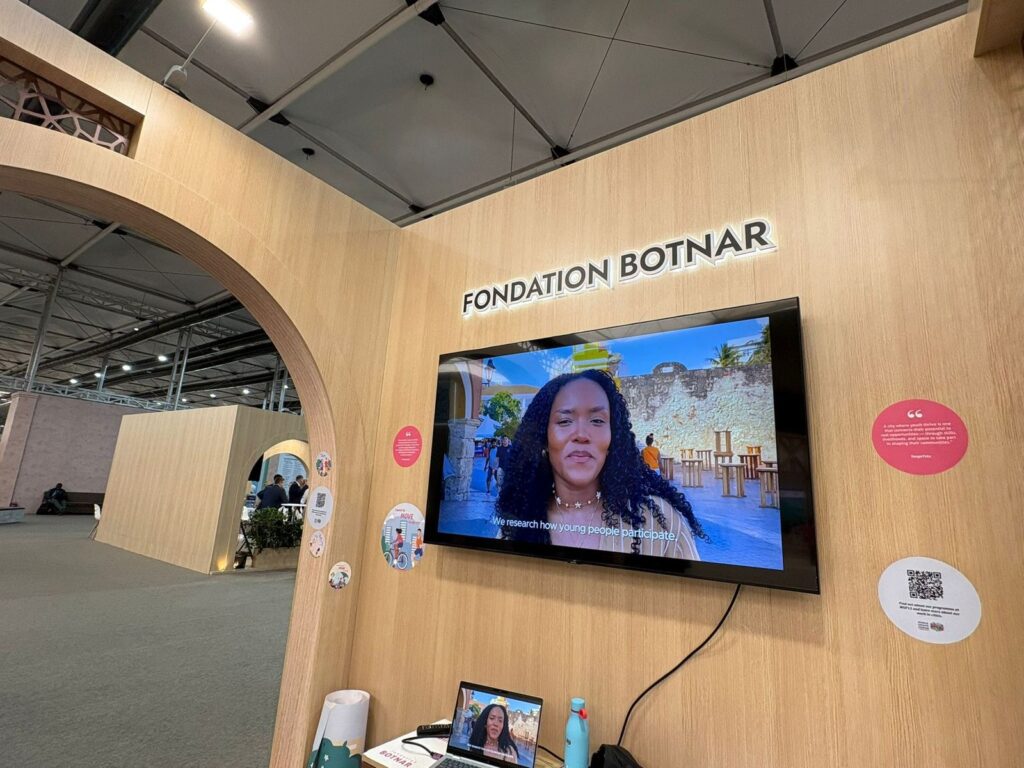
Photography: Catalina Duarte / NextGenC
As part of its participation in the WUF, NextGenC also premiered its new brand video at the Botnar Foundation pavilion, a partner supporting the project. The video brings together the voices of young community researchers, workshop participants and contributors to Altavoz – the platform where young people share their concerns, ideas and reflections on their leadership experiences in the communities where they live.
This participation brought the questions and insights emerging from medium-sized cities to the international stage, highlighting the importance of recognising young people as key actors in urban transformation. Through research and dialogue with communities, NextGenC continues to explore new forms of participation that enable the creation of more inclusive, resilient, and connected cities for the people who live in them.