

Bogotá, Cundinamarca

What's Keeping Us From Sitting Down With Feminists?
Photo credit: Juliana Gámez
What's Keeping Us From Sitting Down With Feminists?
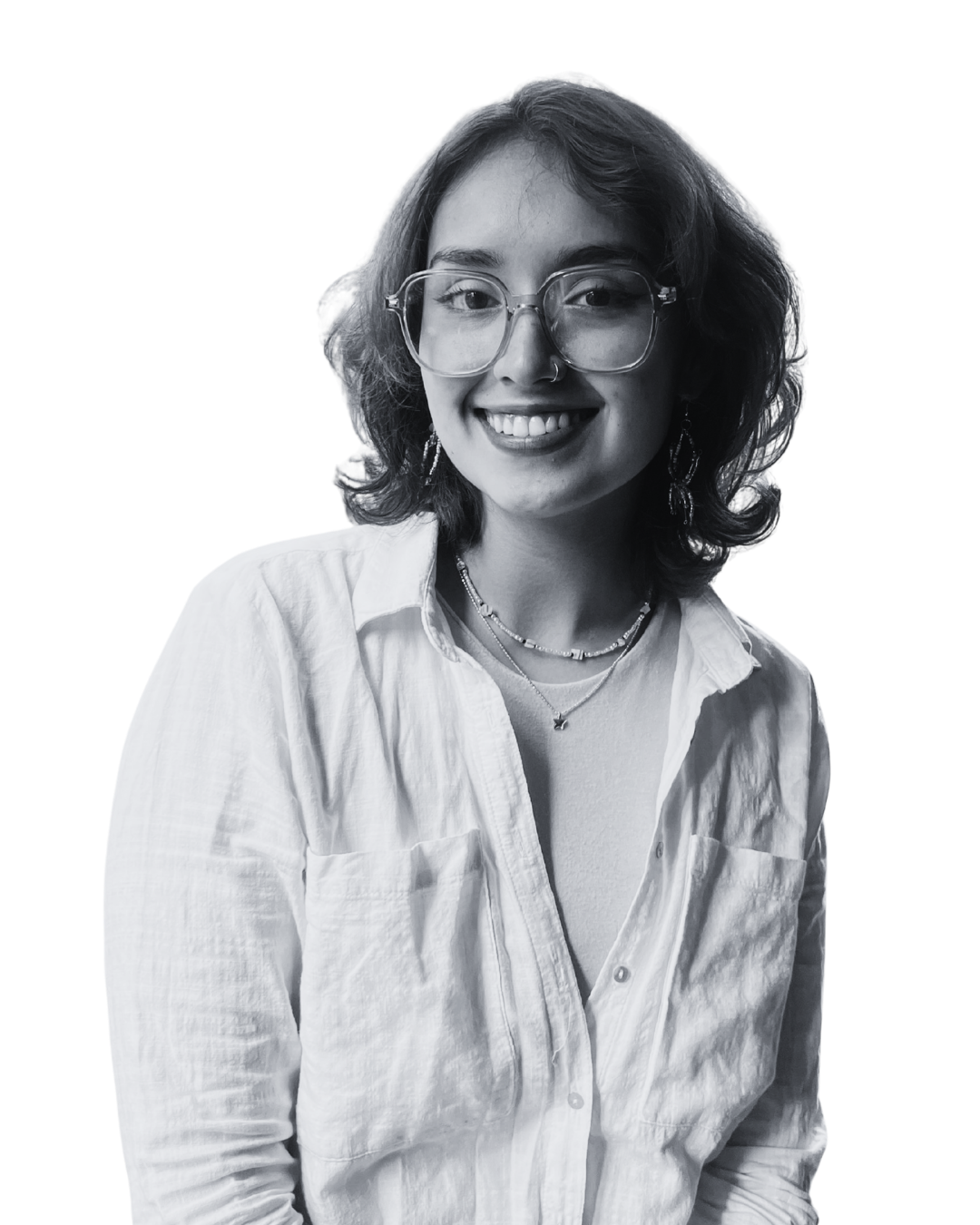
Juliana Gámez
Political scientist and urban manager in training
juligamezgon@gmail.com /
The “Jovenes en sociedad” survey, which polled young people across the country on various topics, offers relevant insights into their political views and their perceptions of democracy and institutions. However, I want to focus on the following finding: the group with which young people show the least willingness to engage in dialogue is feminists, with 24% of respondents indicating they are not at all willing to talk with them. This finding is striking, as it seems to reflect a lack of awareness or misunderstanding of the contribution that movements such as feminism can make to strengthening democracy—especially considering that 61% of young people say it is very important to them to live in a democratically governed country.
Before explaining why a feminist perspective can make a significant contribution to the country, it is important to clarify that feminism is by no means a homogeneous movement. For this reason, we often speak of “feminisms” in the plural, since over time it has taken on multiple currents and approaches. There are even women who fight against gender inequality but do not identify as feminists; instead, they call themselves anti-patriarchal or use other labels. I will not dwell here on these currents; however, it is crucial to clarify what feminism is not. It does not imply the oppression of men or a belief in supposed female superiority. As defined by Chimamanda Ngozi Adichie, a feminist is “a person who believes in the social, political, and economic equality of the sexes.”
This idea of equality, which lies at the foundation of feminism, is essential for understanding the structural inequalities in a country like Colombia, where, for example, women have an unemployment rate seven percentage points higher than that of men, whose rate stands at 10% (DANE, 2022). These kinds of gaps highlight why a feminist perspective is key to strengthening democracy and moving toward a more equitable society. Understanding and challenging prejudices from the various perspectives from which we speak helps build fairer environments.
This is an invitation to sit down and talk with feminists and—considering that much of young people’s lives today takes place online—to read and listen there not only to feminists but to more women.
In electoral contexts, this means reexamining the notion that certain groups—such as young women, feminist movements, or community leaders—are politically uninformed or polarize democracy. When these biases are perpetuated, public debate and the diversity of voices are limited; conversely, acknowledging them and opening spaces for dialogue strengthens democratic deliberation and the legitimacy of electoral decisions. This becomes particularly relevant in light of the 2026 elections—both for Congress and the presidency—given that nearly 80% of female candidates in the 2023 regional elections experienced some form of violence, manifested primarily through derogatory comments about their ability to engage in politics (EFE, 2025).
Furthermore, according to the Observatory on Political Violence against Women, the internet was the primary space where female candidates experienced the most aggression during the 2022 elections (El Tiempo, 2022). This finding is important to highlight, since most of the young people surveyed spend more than seven hours a day online, and while social media has the potential to strengthen government transparency and expand participation and collaboration between citizens and the state, it is also the space where many prejudices and acts of violence are perpetuated.
This is an invitation to sit down and talk with feminists and—considering that a large part of young people’s lives takes place online today—to read and listen there not only to feminists but to more women. To welcome other perspectives in the digital spaces we inhabit daily and, above all, to question what is circulating about women and our own prejudices. In this way, as young people and from within the digital spaces we already inhabit, we can help build a country that is more open to dialogue and fairer for everyone—women, men, and all.
References:
Ngozi Adichie, C. (2015). Todos deberíamos ser feministas. Mondadori.https://www.accionenredmadrid.org/wp-content/uploads/2016/09/TODOS-DEBER%C3%8DAMOS-SER-FEMINISTAS.pdf
El Tiempo. (May 9, 2022). 2022 Female Candidates: Victims of Gender-Based Violence, According to Violence Observatory. El Tiempo. https://www.elespectador.com/politica/elecciones-colombia-2022/elecciones-2022-candidatas-2022-victimas-de-violencia-machista-segun-observatorio-de-violencias/
DANE (2022). WOMEN AND MEN: GENDER GAPS IN COLOMBIA. https://www.dane.gov.co/files/investigaciones/genero/publicaciones/mujeres-y-hombre-brechas-de-genero-colombia-resumen-ejecutivo-2daEdicion.pdf
EFE. (November 21, 2025). Nearly 80% of female candidates in the 2023 Colombian regional elections experienced violence. EFE. https://efeminista.com/candidatas-elecciones-colombianas-violencia/