

Cartagena, Bolívar

Why Do Young People In Cartagena Work And Organize?
Photo credit: #NextGenC
Why Do Young People In Cartagena Work And Organize?
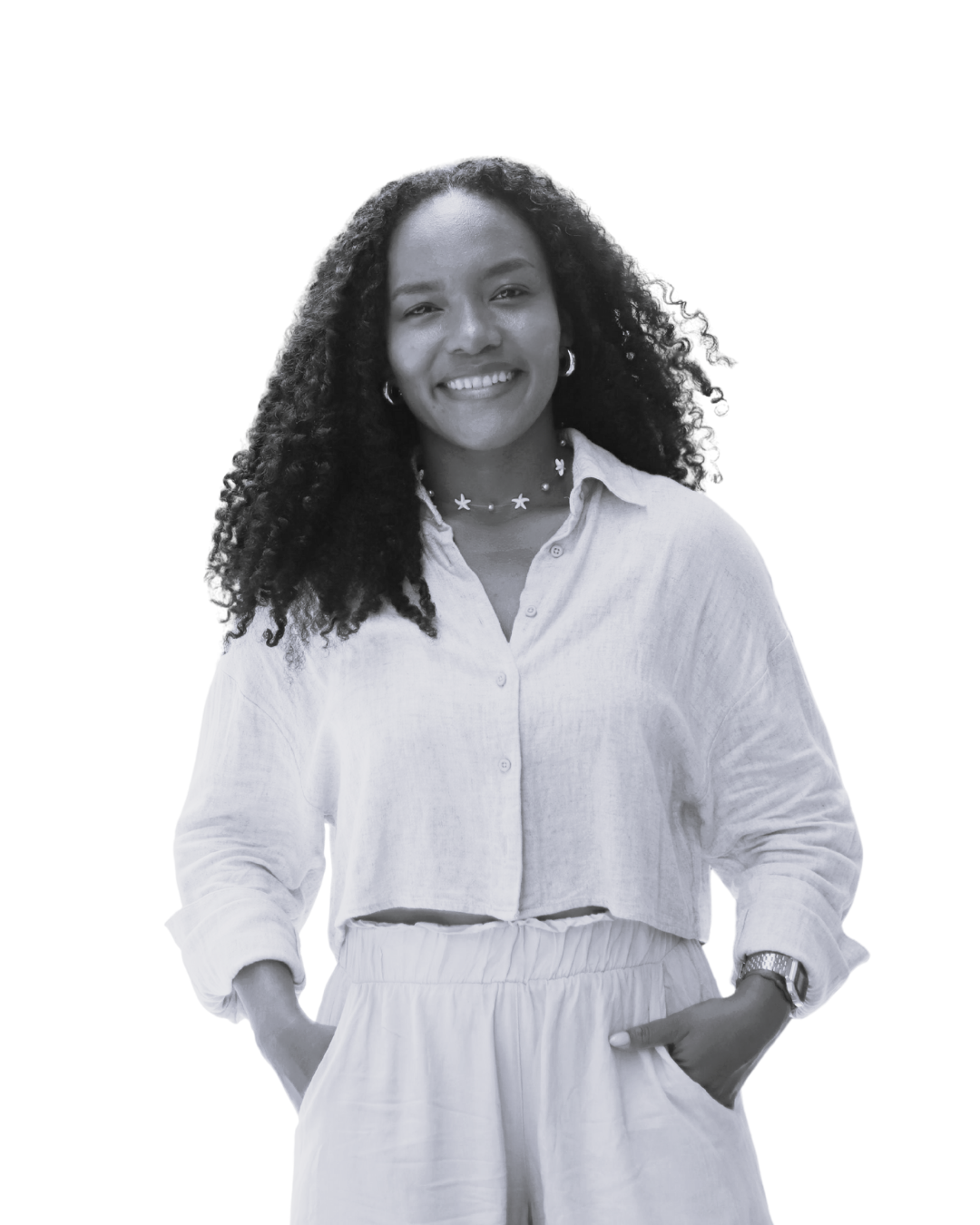
Isamar Julio
Youth Leader
/ @isamarjulio
As a young person, and as part of this society, I can understand (or at least try to) why our lives are so full of activities. In cities like Cartagena de Indias, “being on the move” is an integral part of our daily lives. Personally, I believe this stems from a constant quest to make the city our own, to find a place that belongs to us, and, above all, to make our voices heard. In this part of the Colombian Caribbean, we’ve grown tired of having to look elsewhere for opportunities, while decisions that affect our daily lives are made without our meaningful participation.
We young people are organizing because we have come to understand that political participation is neither a privilege nor something external, but rather a necessity and a right for everyone—even more so in the face of a deeply unequal, exclusionary, and centralized urban model. For this reason, organizing becomes a way to take power, influence the public sphere, and transform the conditions that have historically relegated us to the margins.
One of the main driving forces behind youth organization in Cartagena is the persistent sense of political and social exclusion. For years, we have been viewed solely as beneficiaries of programs, attendees, or secondary actors in decision-making processes. However, we have challenged this perception and worked to be recognized as political actors, capable of proposing, monitoring, mobilizing, and building alternatives for the city.
Youth participation in Cartagena takes many forms. Some young people have chosen to join political parties, committed to transforming traditionally adult-centered structures from within. Others, like me, participate in social organizations, NGOs, foundations, and community initiatives, where they find the autonomy to advocate on issues such as human rights, sexual and reproductive rights, racial justice, the environment, culture, education, and the right to the city, among others. These experiences have allowed us to strengthen our leadership skills, political awareness, and ability to work collectively.
We organize because we want a city that acknowledges its full history, values its residents, and guarantees dignified living conditions.
In many cases, this coordination emerges as a response to the absence of a Cartagena identity represented in institutional politics. The city’s official narrative is often limited to tourist areas, rendering the territorial, cultural, and social diversity of working-class neighborhoods and outlying communities invisible. Faced with this disconnect, we have decided to organize to reshape the narrative of Cartagena and demand public policies that acknowledge its complexity. However, social inequality also permeates and profoundly hinders our political participation: historically marginalized neighborhoods face limited access to basic services and decision-making spaces, while gentrification processes are progressively displacing entire communities from strategic areas of the city. In this context, we young people are coming together not only to denounce these dynamics but also to influence development plans, participatory budgets, community agendas, and forums for dialogue with the public sector. This is our way of “taking action.”
In recent years, another pillar of activism in Cartagena that has gained momentum is the defense of cultural heritage and racial justice. Through organized efforts, we work within collectives, foundations, and community initiatives to recover and preserve the contributions of Afro-descendant and ancestral communities, which have historically been excluded from the official narrative and political representation. This work is not limited to the cultural sphere; rather, it becomes a political action that challenges structural racism and the lack of recognition of these communities. That is why we, as young people, challenge the lack of representation and visibility of our Afro history and its role—that part of history that has been systematically silenced. We work toward more authentic narratives and for a city that embraces its past to build a more just future. Technology—specifically social media—has been a powerful ally in this struggle.
For all these reasons and more, we work, we coordinate, and we form collectives, because we have come to understand that silence is also a form of exclusion. We organize because we want a city that acknowledges its full history, values its residents, and guarantees dignified conditions in which to live. Our political participation is not always expressed through traditional institutional channels, but it manifests itself powerfully in our communities, in our culture, in our collective memory, and in the defense of our right to remain.
Joining forces is a way of saying that Cartagena is not just a postcard or a commodity; it is community, resistance, and identity. Communicating with one another and acknowledging our struggles is essential to building a more just city, where we don’t have to leave to find opportunities or fight to have our story told.