

Quibdó, Chocó

After The Earthquake, Care Is A Collective Responsibility
Photo credit: Kamy Santos
After The Earthquake, Care Is A Collective Responsibility
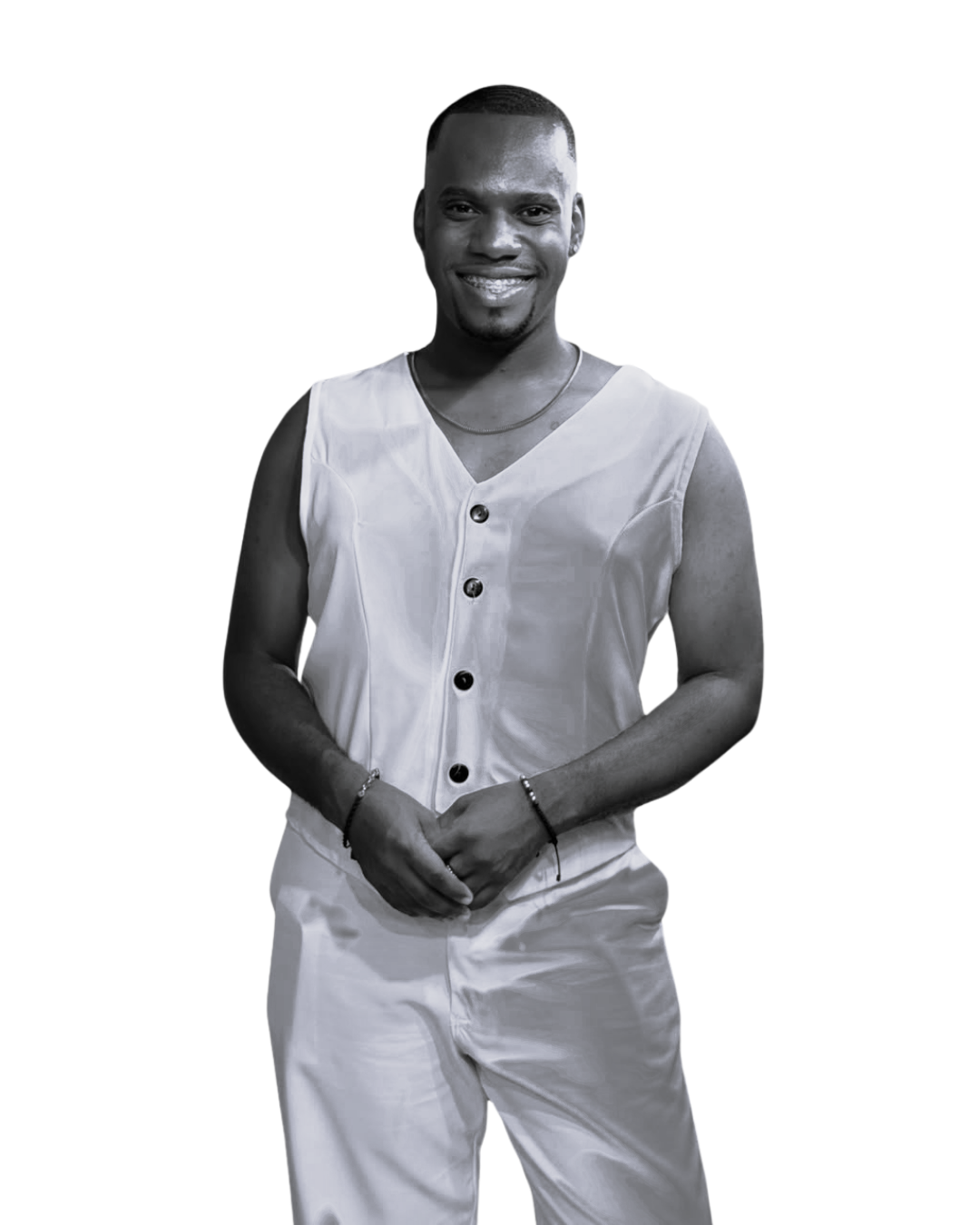
Julio César Rodríguez
Trabajador Social // Consejero Municipal de Juventud de Quibdó // Líder Juvenil y Comunitario // Miembro activo de UNIDOS HACEMOS MÁS
/ @kamy_santos04
I am 23 years old and I am from Quibdó. I experienced the earthquake with fear, uncertainty, and deep anxiety. Like many others, I thought about my family, my community, and the possibility that the emergency could happen again. The house where I grew up was damaged, and I still carry that concern with me. Sometimes I do not sleep well. Every sound, every phone call, can bring the fear back.
But in the midst of everything we have been through, I have also found refuge in my faith. I firmly believe that God has not been distant from our pain. Even in the midst of this trial, I have felt a deep calling to seek Him more, to draw closer to Him, and to faithfully trust in His purposes, even when we do not understand many of the things that are happening. Today, after the earthquake, I believe God is also reminding us that we cannot walk alone and that, as a community, we need to care for one another again, love one another, and hold each other up.
Because amid all of this, I also witnessed something very powerful: the ability of our people to respond and stand in solidarity with one another.
During the first few days, when the power and phone signal went out and even sharing information was difficult, I saw young people organize themselves, share what they knew, support families, and mobilize to address the most urgent needs. I saw schools and community groups join in. I saw a generation of young people who are not simply “the future,” but an active force capable of responding when their territory is going through one of its most difficult moments.
We need young people who are compassionate, but also critical. Young people capable of supporting those who have been affected, protecting public resources, and staying involved after the immediate attention fades.
Through UNIDOS HACEMOS MÁS, that is exactly what we have been doing. We have listened to communities, coordinated with other organizations, and identified needs, trying to make sure that aid reaches those who truly need it. Because an emergency like this makes one thing clear: helping is not just about delivering a donation.
Not every young person has money to contribute, but all of us can have something to offer: time, knowledge, communication skills, leadership, listening, and support. Some young people can mobilize resources; others can organize information; others can provide emotional support; and others can connect a family with an institution or organization.
That is why I believe one of the first things we need to do is organize ourselves.
When everyone acts on their own, efforts can be duplicated: some families receive a great deal of assistance while others are forgotten. This happens especially in peripheral areas of Quibdó, where some people are even afraid to enter because of security concerns. Good intentions are not enough: we need heart, but we also need organization.
We also need to listen before we act.
Sometimes we arrive believing we already know what a community needs, when the first thing we should do is ask: What is actually needed? What is urgent? How can we help without causing harm? Solidarity cannot become, for some people, an opportunity to gain followers on social media, seek political visibility, or use other people’s pain for their own benefit.
Helping also means doing so with respect, dignity, and responsibility. And there is something I consider fundamental: our participation cannot end when the aid has been delivered.
Quibdó’s recovery will take time. Many families will need assessments of their homes, financial support, psychosocial assistance, and clear information. Mental health will remain an important issue for weeks and months to come. In our territory, we have been affected materially, but also emotionally and spiritually.
That is why young people must also take on a role in monitoring and civic oversight. We have to ask what will happen with the resources that arrive, how they will be used, which communities will be prioritized, and whether the promises made publicly are actually fulfilled.
If there is talk of rebuilding schools, restoring educational spaces, or allocating resources to support those affected, young people need to be there. We need to speak up, participate in spaces for dialogue, document needs, and demand that everything be done transparently. Protecting public resources is also a way of helping after an emergency.
Institutions, moreover, need to understand that youth collectives are not simply beneficiaries of their decisions. We are actors and builders of the territory. We are present in the neighborhoods, we know the communities, we have networks, and often people trust us more than they trust institutions. We do not want to be invited only for a photograph. We want institutions to make use of the knowledge and connections we have within our communities.
We have also found support from outside the territory. Psychologists, social workers, and other people with specialized knowledge have offered guidance and virtual support. This shows that you do not need to be physically present in Quibdó to contribute. From wherever they are, many people can help reduce anxiety, provide guidance, and strengthen the capacities of those of us who are here.
As a social worker and community leader, but also as a young person who deeply believes in God, if I could say something to other young people in Quibdó and across Colombia who want to help, it would be this: do not underestimate the power of collective solidarity or the power of faith. Crises remind us that we are fragile, that we are not always in control, and that we will never be completely prepared for everything. But they also remind us that when a community comes together, it can rise again with greater strength. And for those of us who believe, they remind us of something even deeper: that even in the midst of hardship, we are not alone.
Maybe we do not have all the answers. Maybe we are still afraid. Maybe many of us are still wondering what tomorrow will bring. In the midst of that uncertainty, I have chosen to trust in God and find in my faith the strength to keep moving forward.
That is why, for this stage, I hold on to three actions: organize and come together; listen before acting; and follow up on both the aid and the recovery process.
We need young people who are compassionate, but also critical. Young people capable of supporting those who have been affected, protecting public resources, and staying involved after the immediate attention fades.
Because reconstruction cannot be only material. We also need to rebuild the social and community fabric that defines Chocó and address the spiritual dimension that, for many of us, has also been shaken. We need to come together again, care for one another, and support each other.
Going out to help also helps us. It allows us to feel that we are not alone, to channel some of our anxiety, and to turn fear into collective action. After the earthquake, staying, accompanying others, and working so that our people can recover with dignity is also a form of leadership, love, and faith. For me, faith is also a way of sustaining myself when I feel that everything is moving, a way of remembering that God remains my rock and that, as long as we have hope, Quibdó will continue to find the strength to rise again.
After the earthquake, care is a collective responsibility.