Young people in Manizales propose transforming public space to promote wellbeing and mental health
Photography: Mateo Duque / NextGenC
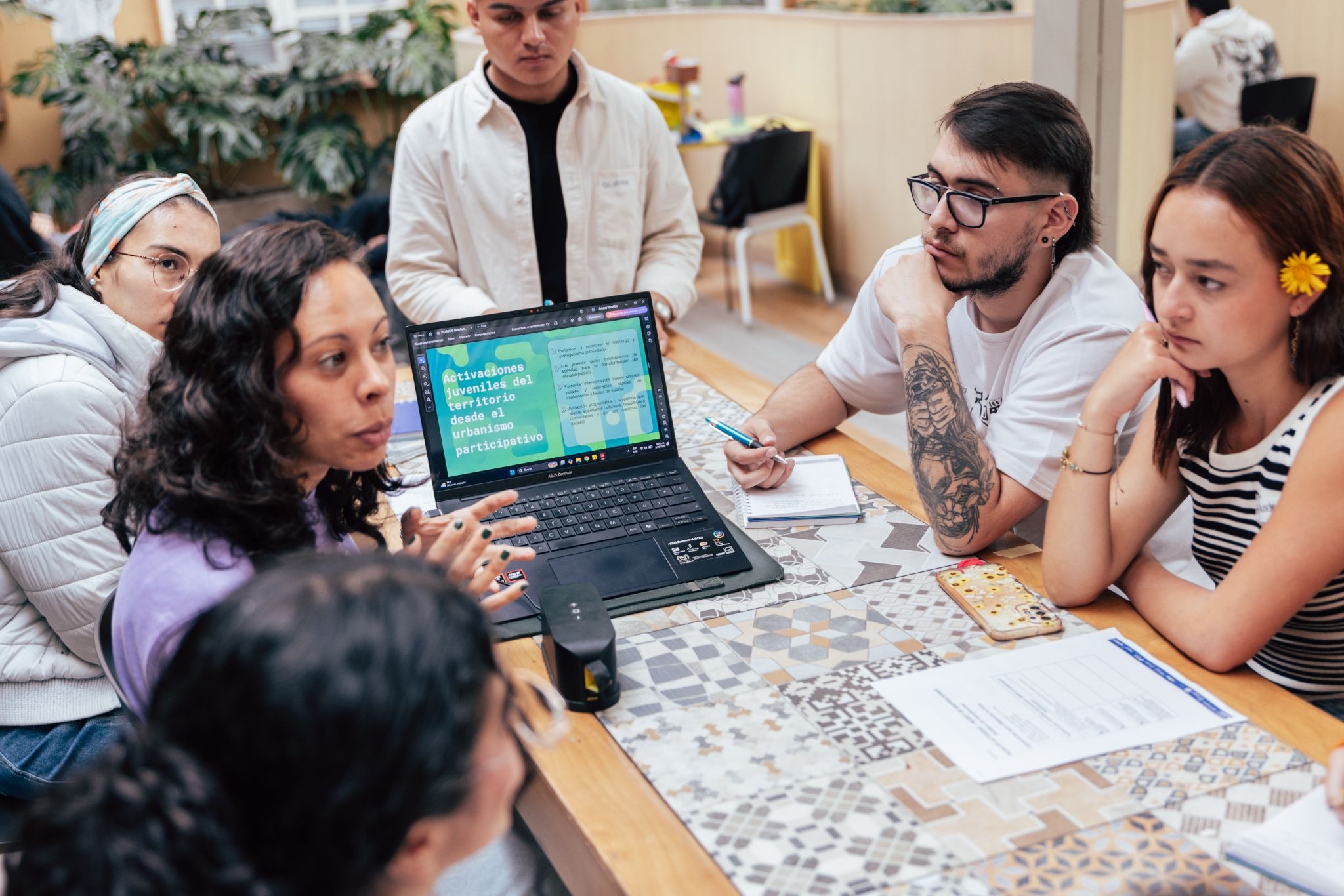
Over three days of collaborative work, 26 young people from Manizales developed a pilot strategy to link mental health, participation and public space.
The findings of the ‘Youth in Society 2026’ study show that delays in healthcare (51 per cent), insecurity on the streets (49 per cent) and mental health issues (10 per cent) are among the main problems affecting young people’s wellbeing. These results served as a starting point for NextGenC Lab | Manizales, Young Ideas, a youth deliberative laboratory, a space where young people could reflect and share ideas on how public spaces can help create safer, healthier and more supportive environments for everyone’s emotional wellbeing.
The call for participants was open and publicised via #NextGenC’s social media channels, and to ensure diversity, representativeness and transparency in the process, each participant was selected by a random draw from over 300 registered applicants.
Photography: Mateo Duque / NextGenC
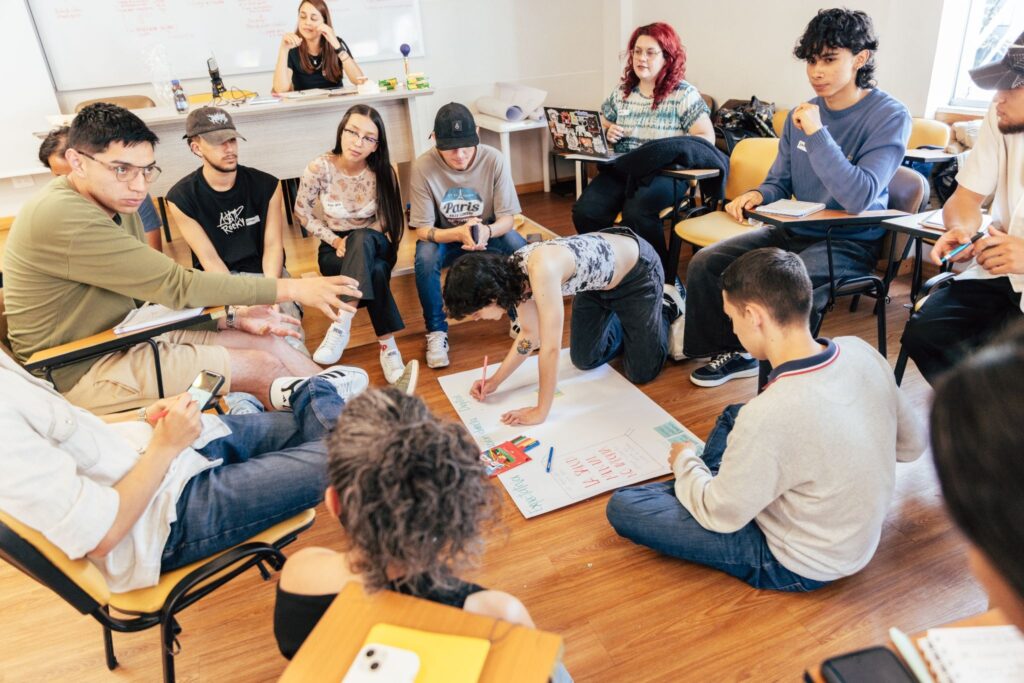
Over three days of work, the 26 young people from different parts of the city analysed challenges relating to emotional wellbeing, explored examples of urban transformation carried out in various contexts, and developed proposals aimed at strengthening mental health within the spaces they inhabit on a daily basis.
“Young people have a much broader understanding of mental health and see it as an everyday aspect of life. They link it to their emotions, their family relationships and the spaces they inhabit in the city,” explained Lina Martínez, principal investigator at NextGenC.
As a result of the workshop, participants developed Parcharte: a strategy to make mental health part of everyday life in Manizales’ public spaces. The initiative comprises three main actions and three cross-cutting actions: raising awareness of mental health, urban interventions to improve public spaces, and workshops to foster participation and learning; all carried out in coordination with activities in communications, management and monitoring. In the short term, the aim is to run a pilot project that redefines a public space in the city as a place for meeting, listening and wellbeing.
Photography: Mateo Duque / NextGenC
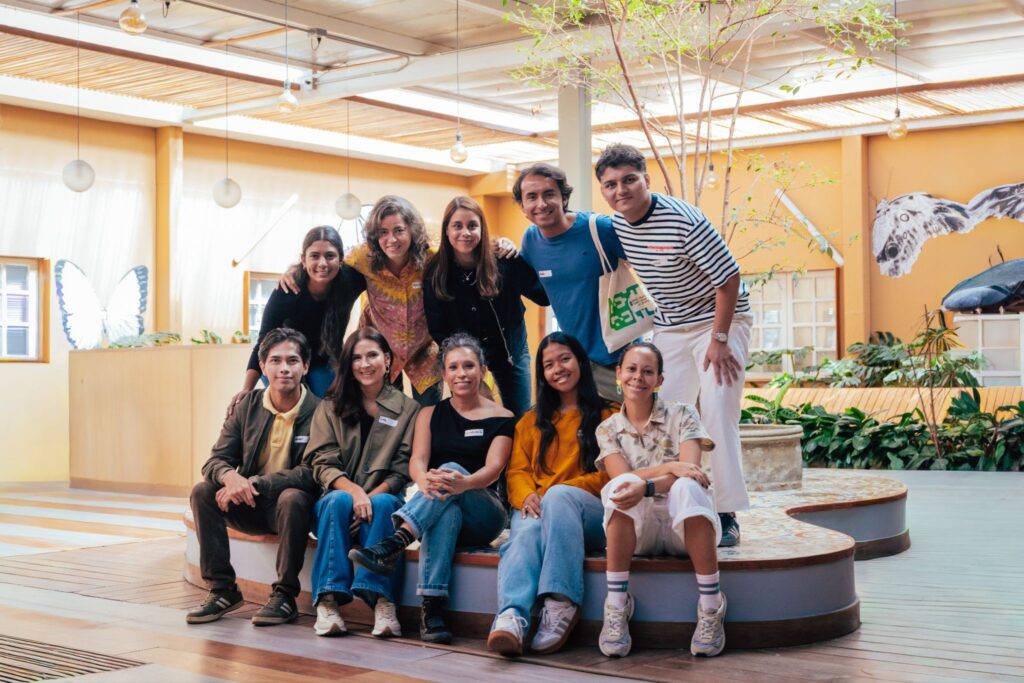
The experience also helped to build a shared understanding of the relationship between wellbeing and the city. Sofía Jaramillo, a participant in the workshop, explained that the process demonstrated the value of listening to different experiences to devise collective solutions.
“Each of us young people who took part in the experience was moved by the city, by the experiences of others and by a shared awareness of mental health that was built up day by day.”
La propuesta será presentada a diferentes actores e instituciones locales con el objetivo de explorar oportunidades para su implementación y continuar fortaleciendo el papel de las juventudes en la construcción de ciudades más inclusivas, saludables y participativas.
Text: Sebastián Saldarriaga – #NextGenC