Survey reveals that 80 per cent of young Colombians want to participate in local politics
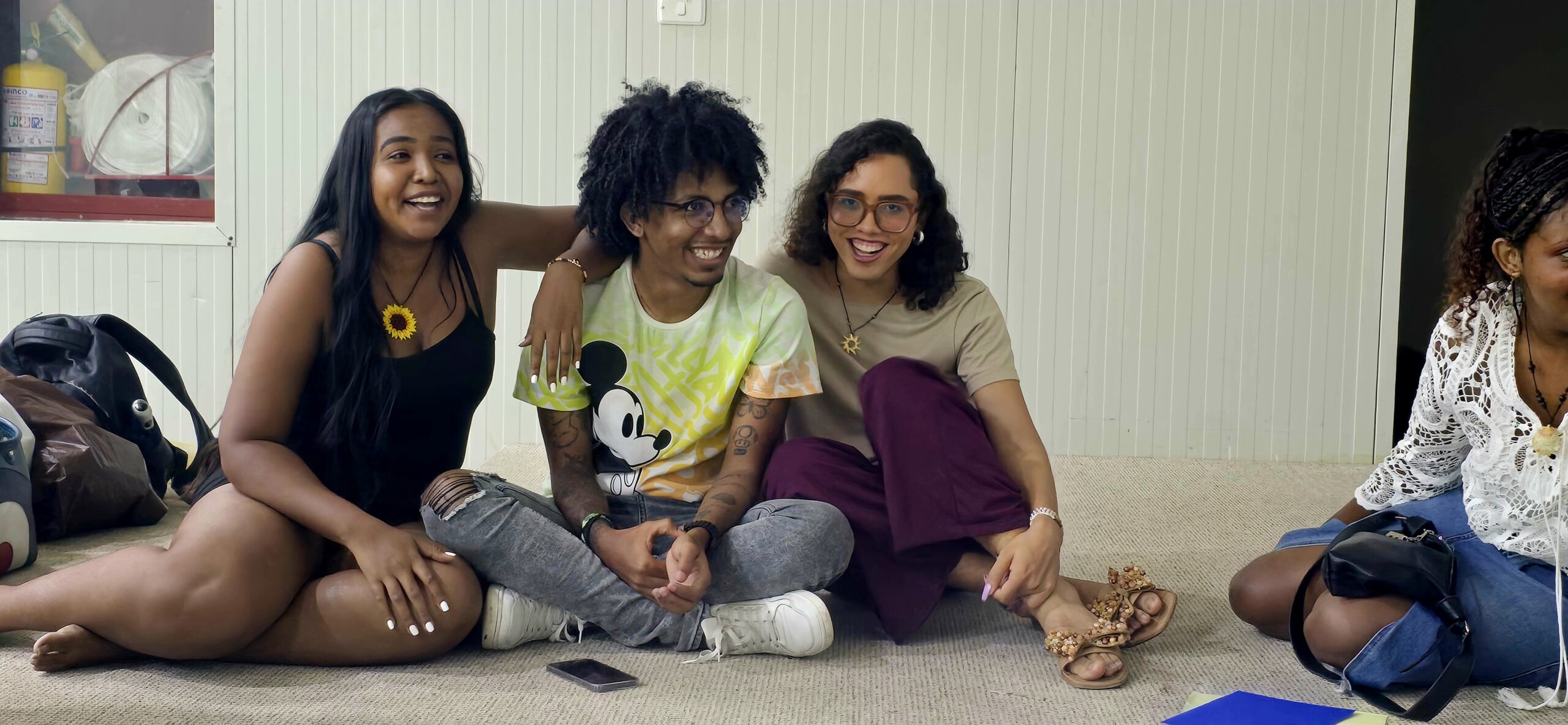
With local elections just days away, the ‘Youth in Society 2026’ study provides key data on political participation and the use of social media.
The international research project led by LSE Cities (London), the University of Los Andes (Bogotá) and Icesi (Cali), ‘NextGenC – Connected Urban Generation’, recently presented the results of its ‘Youth in Society 2026’ survey, carried out in partnership with Cifras y Conceptos, Fundación Corona, El Tiempo and Fundación Bolívar Davivienda.
According to the survey, implemented in 46 municipalities across the country, 61 per cent of young people consider it important to live in a democratic system, but only 20 per cent say they are satisfied with how it currently functions, highlighting a significant gap between democratic values and trust in institutions. More importantly, the study shows that there is a willingness to get involved: 32 per cent would participate in local politics if they saw tangible improvements in their community, 27 per cent if they could influence local decisions, and 25 per cent if they had access to funding or support for youth projects. Only 20 per cent say they are not interested in participating.
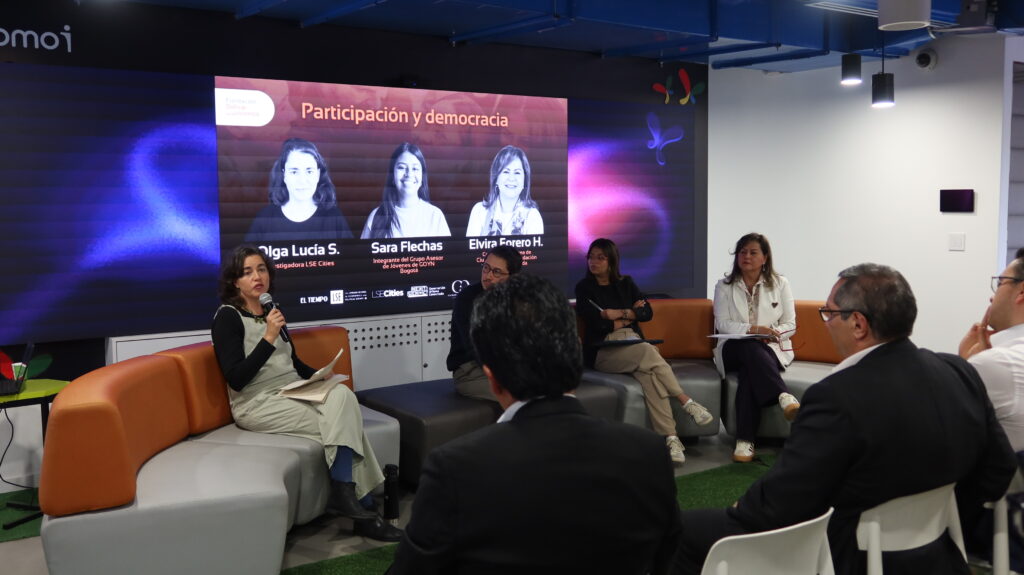
However, over the past year, barely 21 per cent have taken part in citizen participation initiatives promoted by the national or local government. This suggests that the main challenge is not a lack of interest, but rather effective access to participation mechanisms that link young people’s expectations with real opportunities to make a difference.
Furthermore, 54 per cent believe they should have a greater say in political decisions, as this brings new ideas and strengthens democracy, whilst 37 per cent feel they are not properly represented and are calling for a voice of their own.
Among other aspects, the survey highlights important data on how young people currently engage with technology and digital media to participate in civic life.
Fifty-six per cent stated that they had not engaged in any political participation online or via digital tools, whilst 30 per cent said they do so through their social media accounts, by sharing news, music or videos with social or political content. Thus, 30 per cent of young people in Colombia share content online as a political act, which in turn should be understood as an alternative way of exercising democracy and participation.
The most used platforms are WhatsApp (73 per cent), Facebook (67 per cent) and TikTok (56 per cent). Regarding the use of TikTok (56 per cent), field evidence shows that it is used primarily as a form of entertainment and as a respite from the world of bad news, which can also be understood as a political act.
The survey also shows that only 22 per cent of young people trust digital influencers, whilst a further 36 per cent say they trust social media, indicating that democratic institutions and personal interactions remain relevant – and perhaps even more so than social media itself.
For NextGenC, the findings of the ‘Youth in Society 2026’ survey reinforce the need to rethink and strengthen democracy at a local level and within cities, incorporating the voices, practices and expectations of young people – not as passive beneficiaries, but as central actors in urban governance and the shaping of the nation’s collective imagination.
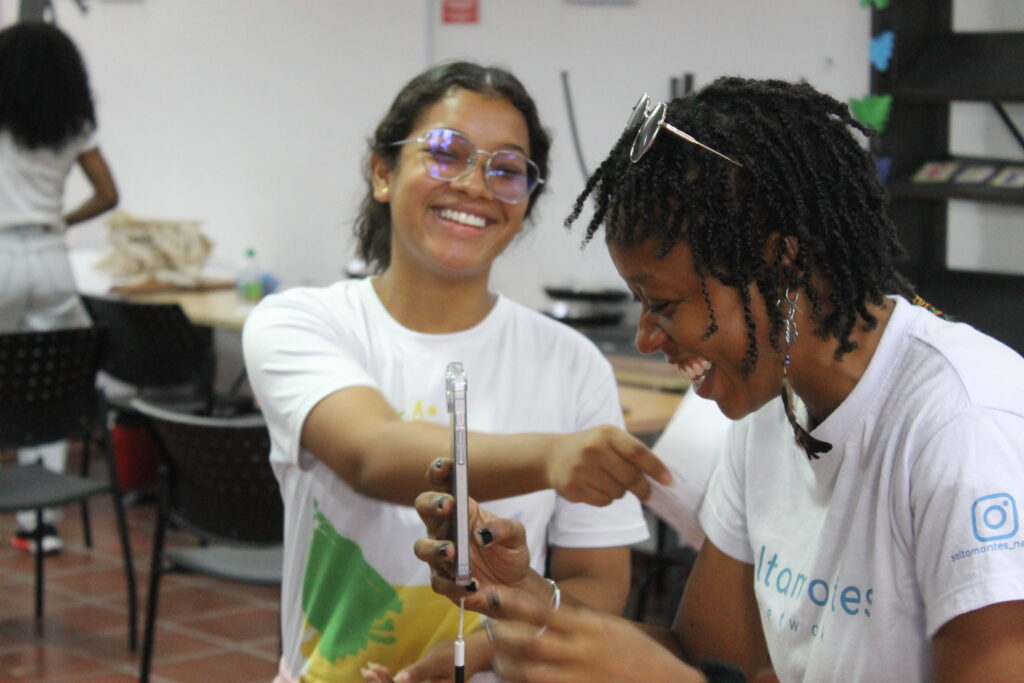
NextGenC studies youth political participation in medium-sized cities in Colombia. By supporting the ‘Youth in Society’ survey, the project gathers the perceptions and opinions of young people aged between 18 and 32 on issues such as democracy, government, institutions, political participation, education, the labour market and social issues.
“The survey results enable us to better understand how young people’s ideas and concerns translate into concrete ways of living in the city, imagining solutions to current challenges and collectively shaping urban governance and national narratives,” said Philipp Rode, executive director of LSE Cities and co-director of NextGenC. NextGenC (Connected Urban Generation) is an international research project led by LSE Cities that studies the relationship between young people, the city and democracy in different urban contexts around the world, with an emphasis on medium-sized cities and diverse regions.