Urban Youth Transform Political Participation Through Digital Tools: #NextGenC Findings Presented at CLACSO 2025
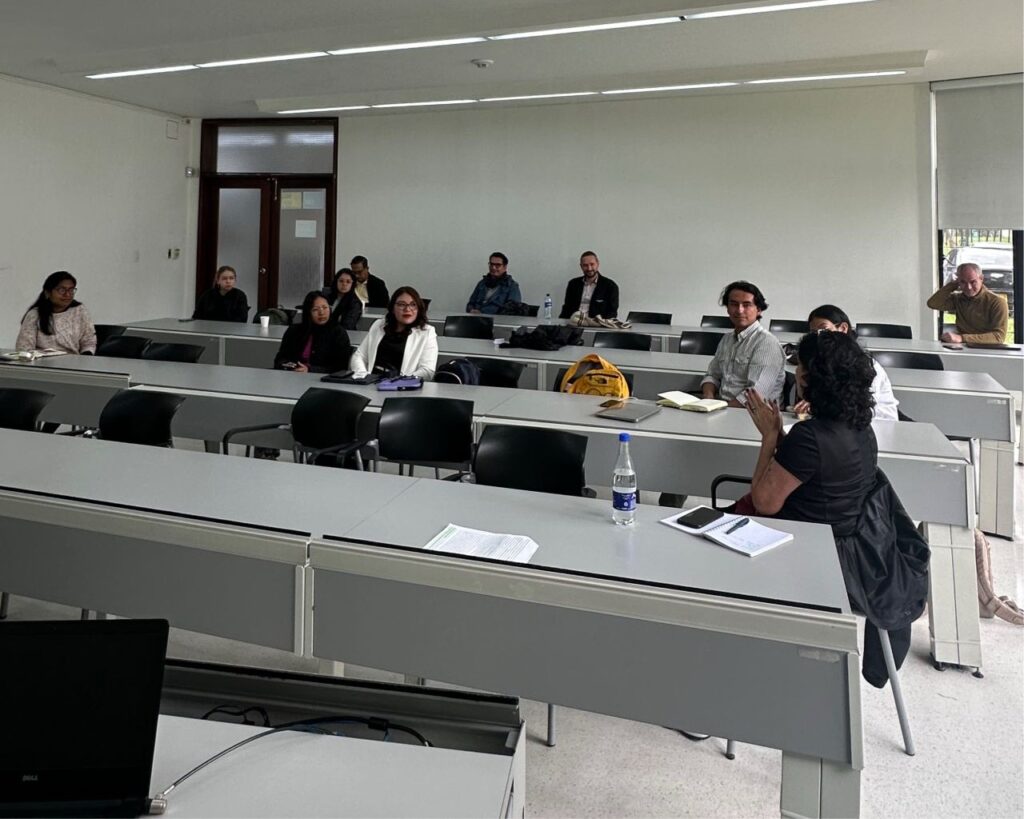
During the 10th Latin American and Caribbean Conference on Social Sciences (CLACSO 2025), the #NextGenC project shared key findings on how youth in Colombia’s intermediate cities are reinventing political participation in urban settings through the situated use of digital technologies.
The research team from Universidad de los Andes presented the project's initial fieldwork results, highlighting distinct patterns of youth agency across three urban contexts:
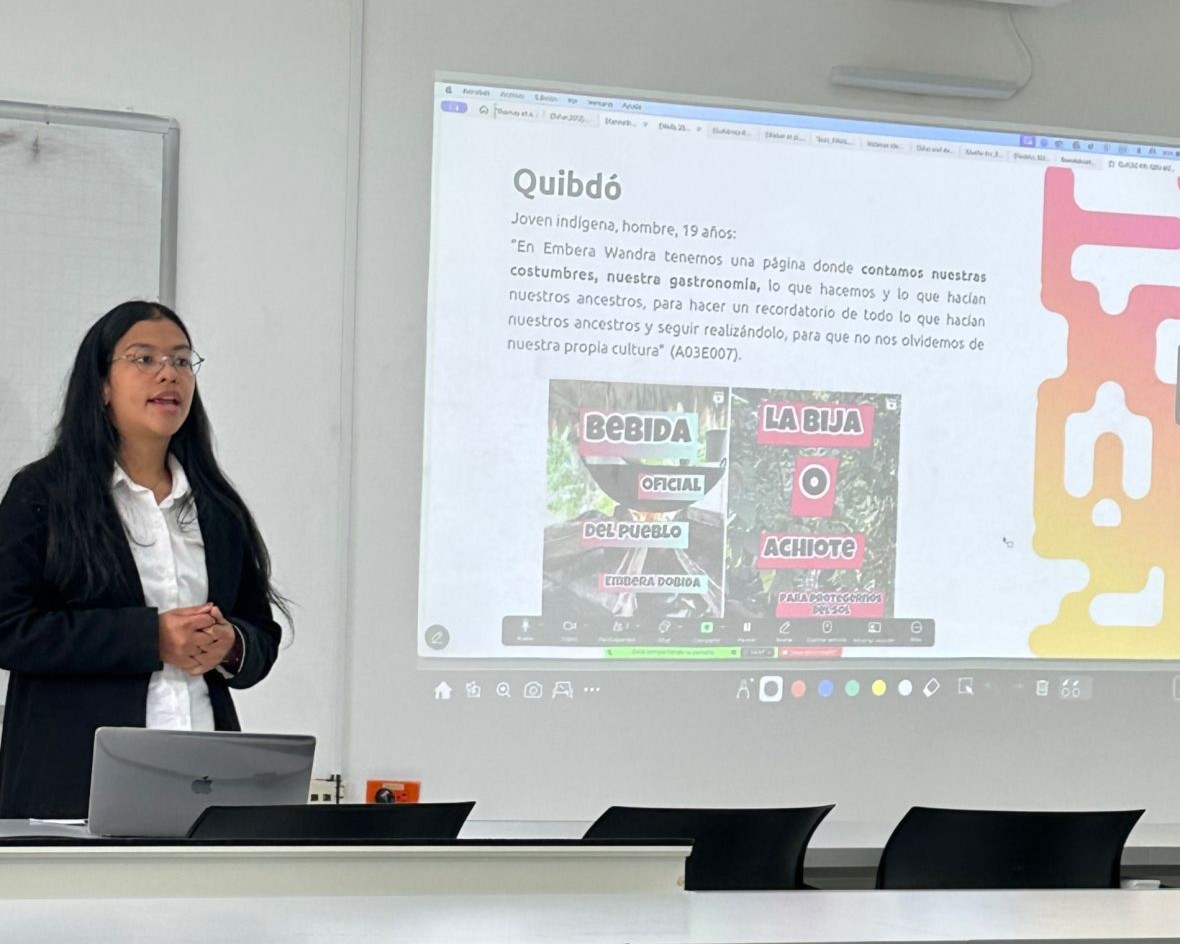
- In Quibdó, Afro-descendant and Indigenous youth use digital tools to rebuild community, strengthen identity, and resist displacement.
- In Manizales, institutional and informal dynamics coexist, and digital tools are adapted to local organizational logics.
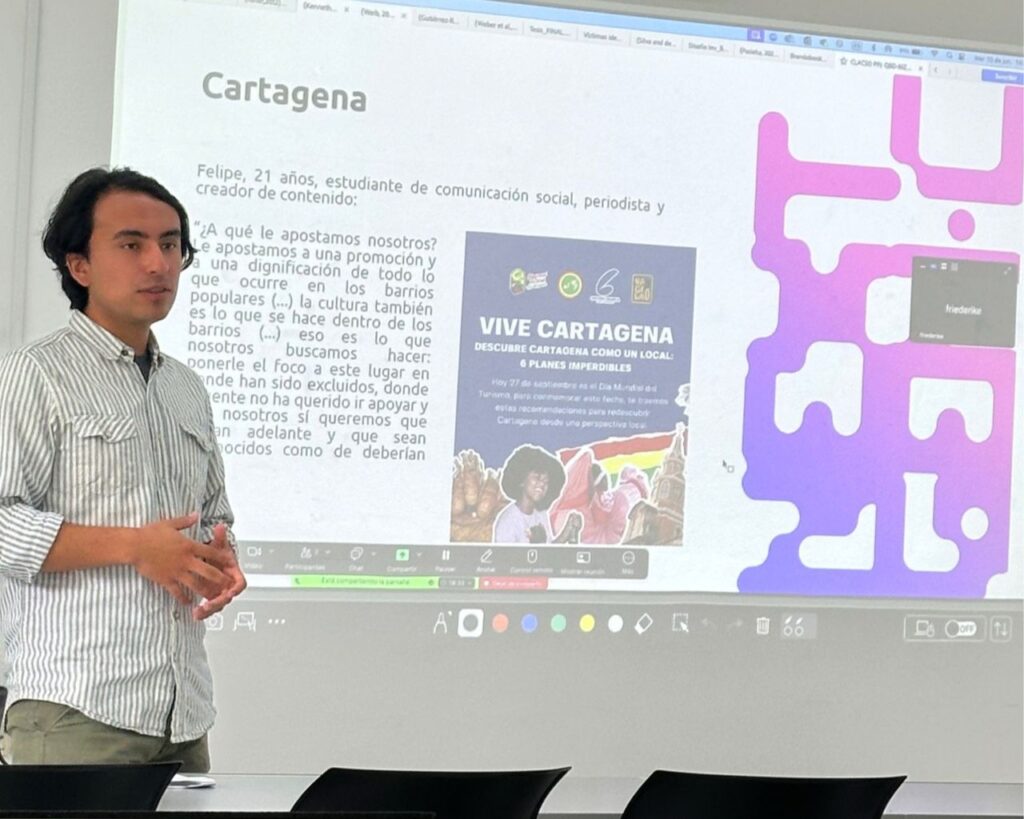
- In Cartagena, the urban space is reimagined through a critique of the tourism model, with local identities redefined through the strategic use of social media.
These insights were shared during the panel “Social Movements, Activisms, and Political Subjectivities,” where #NextGenC invited attendees to rethink traditional forms of political participation by incorporating the everyday practices, territorial ties, and lived experiences of urban youth.
“We argue that youth political participation is a situated practice—shaped by the urban context and the social bonds woven within it,” stated the research team.
From a comparative and contextual perspective, the project demonstrates that digital technologies are not neutral or universal tools; they are shaped by political intentions, local realities, and contextual possibilities. This approach enriches academic debate and opens space for alliances among youth across regions, recognizing their practices as key drivers of territorial transformation.
#NextGenC’s participation in CLACSO 2025 reaffirms its commitment to generating situated knowledge and amplifying the political contributions of youth in diverse urban contexts.